
Posture X-Ray Analysis | Real Posture X-Ray Facts
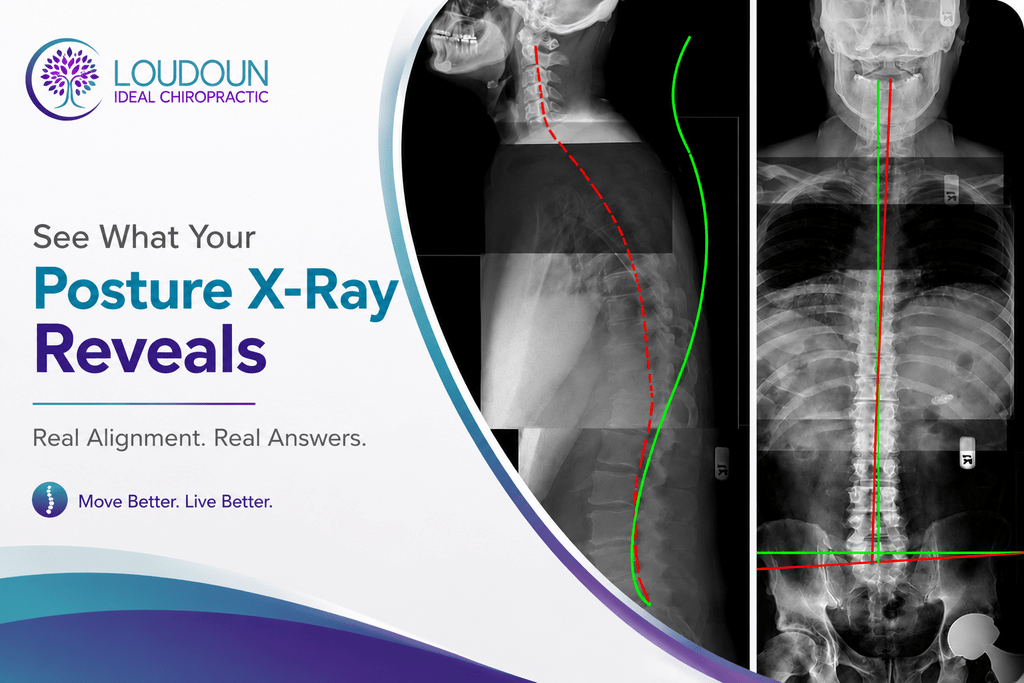
Have you been living with hidden back pain every single day? Getting a posture X-ray reveals exact bone positions under your skin. Mirrors only show surface muscles and soft skin lines. Bones shift out of place slowly over many years.
Desk jobs pull your neck forward while you work. This guide shows how standing pictures locate deep alignment issues. You will see how accurate measurements help your spine stay healthy.
Measuring Bone Angles and Structural Misalignments
Standing upright during picture tests reveals natural gravity pressure on joints. Precise digital tools calculate exact displacement angles across all back segments.
- Standing X-Ray Spine: Taking images upright shows how weight loads onto your lower back joints daily.
- Normal Neck Posture X-ray: Checking natural neck alignment shows if healthy forward curves still protect delicate upper nerves.
- Forward Head Posture X-ray: Measuring forward skull shifts reveals extra strain placed on upper back muscles constantly.
- Lordotic Posture X-ray: Viewing lower back angles spots excessive inward bending that stresses spinal disc pads.
- Abdomen Erect Posture X-ray: Capturing full middle body images helps doctors evaluate lower spine bone stability clearly.
Advanced Digital Screening and Clinical Software Tools
Modern clinics use digital screen systems to process spine pictures quickly. Specialized programs generate visual charts comparing your results to healthy geometric models.
Reading Computerized Spine Scans
Clinics use a posture ray software system to map spinal lines automatically. This tool measures tiny tilt angles across your back. Patients easily view visual progress reports on color screens. Understanding these automated lines helps you make clear decisions about your care.
Using Screening Applications
Doctors use posture screening programs during initial visits to check body symmetry. Systems like posture co tools generate baseline alignment data. Patients often leave positive posture screen reviews for these clear visual charts. Digital tracking shows physical changes over time without any confusion.
Measuring Alignment with Intelligence Systems
Newer diagnostic setups use posture AI tools to process image data fast. High-tech posture ray support teams keep scanning equipment running accurately. Automated measurements eliminate human error when calculating spinal tilt degrees. Modern software makes checking your structural progress faster and easier than ever before.
Identifying Curve Changes and Common Spine Patterns
Spine pictures help classify different types of structural issues accurately. Early identification prevents minor curve changes from becoming long-term joint problems.
- Bad Posture X-ray: Scans highlight flat curves, severe rounded shoulders, or uneven pelvic balance clearly.
- Good Posture X-ray: Balanced pictures display smooth curves, stacked vertebrae and equal hip height lines.
- Poor Posture X-ray: Misaligned images reveal forward head lean and excessive mid-back rounding patterns.
- Perfect Posture X-ray: Ideal scans show optimal neck alignment, neutral lower back curves and balanced joints.
- Forward Neck Posture X-ray: Focused neck views highlight straightened curves caused by looking at phones daily.
Comparing Healthy Neck Angles and Corrective Views
Detailed neck views show whether natural curve arches remain intact under daily pressure. Correcting neck alignment removes heavy tension from upper back muscles.
Spotting Abnormal Curve Bends
Looking at a neck posture X-ray shows if cervical bones curve forward properly. Flat neck lines force shoulder muscles to work twice as hard. Long-term strain creates persistent soreness in upper back muscles every day.
Viewing Balanced Neck Structures
A good neck posture X-ray demonstrates a smooth forward arch shape. Healthy arches act like shock absorbers when you walk or jump. Proper arches protect your head and brain from violent daily jolts.
Planning Proper Structural Correction
Getting a correct neck posture X-ray gives your clinic a clear target alignment goal. Doctors plan precise adjustments using these exact bone angle measurements. Visualizing real progress targets keeps your recovery plan structured and predictable.
What a Posture X-Ray Test Shows
A posture X-ray, often taken as an erect posture X-ray, is an imaging test that evaluates bone alignment, spinal curves and structural balance. It helps doctors and chiropractors spot issues like scoliosis, abnormal curves, disc degeneration or forward head posture.
- What It Shows: Measures cervical, thoracic and lumbar alignment to track spinal curves accurately. Checks bone health for joint wear, arthritis or fractures while identifying pelvic tilt or side-to-side spinal deviations.
- The Procedure: Usually performed upright in a standing position to capture natural gravity effects on posture. Views include front, side and sometimes bending angles to assess total mobility.
- Analysis: Specialized software like PostureRay X-ray systems is used by clinics to measure displacement angles objectively and print detailed reports.
Understanding Structural Spine Changes
Taking a posture X-ray offers clear visual proof when correcting deep spine curves. Desk workers often develop flat neck curves after years of computer work. Rebuilding these natural arches takes consistent time, gentle care and proper home stretches.
Comparing initial images with follow-up checks proves if your back is responding to treatment. Seeing structural changes on screen gives you real confidence in your care plan. Combining professional care with daily movement protects your joint surfaces over time.
Addressing back alignment early stops minor joint wear from turning into chronic physical pain. Simple picture checks keep you moving freely and living comfortably every single day.
Restoring Natural Physical Health Long Term
Rebuilding healthy bone alignment creates lasting physical benefits throughout your whole body. Balanced spinal bones spread daily body weight evenly across joint surfaces. Even weight distribution stops premature disc wear and prevents joint stiffness later in life.
Balanced posture reduces constant tension on surrounding back ligaments and deep muscles. Many people experience improved breathing, fewer tension headaches and increased physical stamina. Committing to gentle adjustments, corrective exercises and ergonomic habit changes gives your spine strong support.
You can review standard x-ray safety rules to learn how medical imaging works safely. Understanding how picture tests evaluate bone alignment helps you make smart health choices.
Detailed Steps for Clinical Image Processing
Diagnostic picture testing follows a structured path to ensure accurate alignment measurement. First, you stand naturally on a level platform while keeping your feet flat. Certified technicians position the machine to capture clear upright views under gravity.
Next, the visual data loads directly into computerized diagnostic programs. Doctors draw structural lines to calculate precise angles between each bone. Comparing these measurements against healthy normal averages highlights hidden structural shifts. Finally, your provider reviews these images with you during your care planning visit.
Practical Daily Habits to Protect Your Alignment
Maintaining healthy posture requires steady home habits alongside professional chiropractic care. Sitting upright with your lumbar spine supported prevents pelvic tilting while working. Keeping computer screens at eye level stops forward head drift during long shifts.
Taking frequent standing breaks every hour reduces heavy pressure on lower back discs. Simple daily shoulder squeezes and chin tuck exercises build endurance in postural muscles. Over time, these small lifestyle habits reinforce structural corrections achieved during clinic visits.
Uncovering Hidden Causes of Chronic Back Fatigue
Persistent physical tiredness often stems from poor structural balance across the spine. When your spine tilts away from its center line, muscles work constantly to hold you upright. This continuous muscular effort drains your daily physical energy reserves fast.
Taking a posture scan pinpoints exactly which muscle groups endure excessive daily load. Correcting these mechanical shifts allows tired back muscles to relax naturally. Restoring balance restores physical stamina so you can stay active all day long.
How Loudoun Ideal Chiropractic Can Help
Loudoun Ideal Chiropractic uses posture X-ray testing to guide gentle spine care for local families. Dr. Miok Hyoun brings over twenty years of clinical experience, providing measurement-based care in Lansdowne. Our team uses digital pictures to find root causes instead of just treating surface pain.
We build personalized plans that correct bone alignment and track your physical progress. Learn more about our background on our Dr. Miok Hyoun, DC page or visit our main Loudoun Ideal Chiropractic home page to see our full list of health services. Call 571-707-8639 today to schedule your complete spine assessment.
Conclusion
Checking real bone alignment proof helps you understand your spine health clearly. Combining visual picture tests with gentle care restores natural curves and reduces daily stress. Simple daily habits keep your back strong and mobile over time. Call our Lansdowne clinic today to book your personalized spine review.
FAQs
What does a posture X-ray show?
A posture X-ray shows bone alignment, spinal curve angles, pelvic tilt and joint wear while standing upright under normal gravity pressure.
Is a standing X-ray better for posture checks?
Yes, standing X-rays capture natural gravity pressure on your spine, showing how your body balances weight during daily activity.
How often should spine pictures be taken?
Doctors usually take initial images during your first checkup and repeat them months later to track structural curve progress objectively.
Can X-rays detect scoliosis early?
Yes, standing picture tests clearly reveal side-to-side spinal curves, allowing doctors to spot scoliosis patterns before severe physical shifts occur.
Does getting a posture X-ray hurt?
No, getting a posture X-ray is a completely painless visual test that takes only a few minutes in a standing position.