
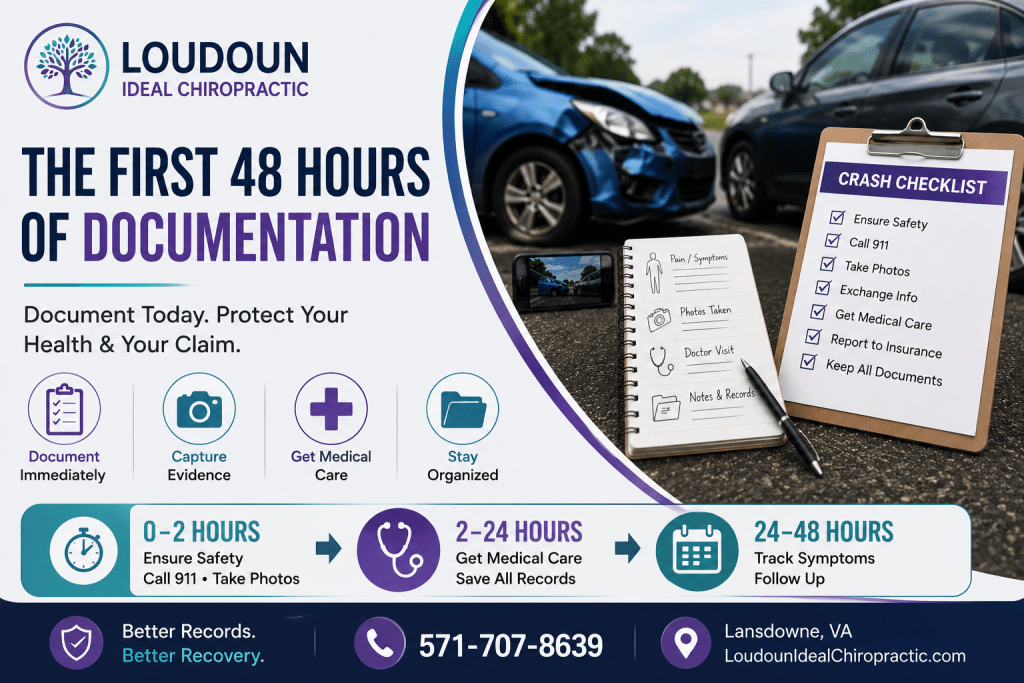
Why the First 48 Hours of Documentation Decides Your Claim
Have you ever felt lost right after a sudden car accident? The First 48 Hours of Documentation can protect your body and your insurance claim. Adrenaline often masks deep physical pain during the first few hours.
Many people skip doctor visits because they feel fine at first. But delayed neck aches and spinal stiffness build up very fast. Collecting clear records early prevents big insurance delays down the road. This guide shows you how to gather paperwork and care records easily.
The Homicide Investigation Method and Early Records
The first two days after any incident dictate how well you can prove facts later. Detectives know that small details disappear fast if officers do not collect facts immediately. The First 48 Hours of Documentation helps build an ironclad paper trail for your records.
How the Process Works
- The Call: Officers get word of a new scene and start logging facts.
- The Race: Police work fast to bag physical proof and secure road areas.
- The Interviews: Investigators talk with scared witnesses before stories change or fade completely.
- The Trap: Officers push to get clear proof while bad actors stay off guard.
Why the First 48 Hours Matter
- Memory Loss: Witnesses forget tiny facts within a couple of days.
- Evidence Gone: Physical proof washes away or gets thrown out fast.
- Suspect Flight: People who cause damage run if police move too slowly.
- Case Success: Getting strong facts early raises chances for real justice.
Things to Do Immediately At the Crash Scene
Staying calm on the road shoulder keeps you safe. Follow these five basic steps to protect your physical health and claim.
- Safety Check: Move your vehicle off active traffic lanes if possible. Turn on hazard lights to warn oncoming drivers.
- Car accident injury steps: Call emergency teams right away to get police officers on site.
- Photo Proof: Take close photos of car damage and road signs. Capture tire marks and weather conditions nearby.
- Info Exchange: Write down names, numbers, and full insurance policies. Gather contact information from any witnesses.
- Brief Talks: Keep your comments brief with other drivers involved. Avoid saying sorry or discussing who caused the crash.
What Happens to Your Spine During an Impact
Car crashes push your body in unnatural ways. Strong forces strain neck joints and spinal discs easily.
The Physics of Whiplash
Your head snaps back and forward very fast. Neck muscles stretch past normal limits during this force. Tiny tissue tears form quickly and cause heavy swelling.
Hidden Internal Damage
Body shock releases natural chemicals that block early pain. You might feel totally fine right after impact. Deep soreness starts once your body calms down later.
Spinal Disc Pressure
Hard hits shift lower spine bones out of place. Discs press on sensitive nearby nerve roots. A spine collision evaluation catches these hidden problems early.
Common Mistakes in the First 24 Hours
Drivers often make simple errors during the first day. Avoid these five choices to keep your health records clean.
- Skipping Care: People skip clinic visits because no bones broke. Hidden tissue strain needs quick care from a doctor.
- First 48 hours of documentation season 1: People wait weeks to report small aches. Early papers link physical pain directly to the crash.
- Lost Notes: Throwing away clinic notes creates gaps in records. Keep every car crash medical report in a binder.
- First 48 hours of documentation episodes: Talking to insurance teams without notes causes confusion. State basic facts without guessing about your physical injuries.
- Fast Cash: Accepting early settlement offers closes claims too soon. Unseen spine problems need time to heal properly.
How Muscle Guarding Affects Recovery
Your body locks muscles near hurt joints for protection. This natural defense limits normal movement after a sudden collision.
Understanding Tight Muscles
Tense back muscles tighten around affected spinal joints. This grip stops more damage during the early days. But long spasms reduce healthy blood flow over time.
Spotting Delayed Soreness
Swelling grows slowly over the first two days. You might wake up on day two with stiffness. Tracking your First 48 Hours of Documentation helps you act fast.
Managing Early Stiffness
Resting quietly helps soothe early physical stress and spasms. Avoid heavy lifting or hard chores during this time. Gentle walks keep blood flowing without hurting joints.
Documenting Your Symptoms and Recovery Steps
Tracking daily changes builds clear health records. Write down every area of discomfort in a small notebook. Note how neck tightness affects your sleep or job duties.
People often wonder how long to rest after crash events happen. Resting for two days helps calm your nervous system. But staying in bed too long causes bad joint stiffness.
If you notice delayed back pain, see a doctor quickly. Using a checklist protects your legal rights. Watching TV shows like The First 48 shows how missing facts ruins cases. You can check Trauma Care Guidelines to learn more about early injury care.
Understanding Medical Evaluation Timelines
Getting checked quickly ensures subtle joint problems get noticed. Medical teams evaluate your full spine structure after impact.
Emergency Room Checks
Emergency rooms check for broken bones and internal bleeding. They make sure your life is out of danger. They often send you home with basic pain pills.
Specialist Follow-Up
Chiropractic care focuses on joint movement and spine alignment. Doctors look at soft tissue strain and body posture. They build an auto accident care plan to fix root causes.
Tracking Progress
Keep track of how your body feels each day. Note which movements cause tightness in your back. Sharing details helps your doctor adjust your daily care.
Long-Term Effects of Untreated Soft Tissue Strain
Ignoring small neck aches leads to bigger problems later. Early care stops soft tissue strain from turning permanent.
Scar Tissue Build-Up
Injured muscles heal by laying down rough scar tissue. Unmanaged scar tissue leaves muscles stiff and weak. Structured care helps muscle fibers heal in straight lines.
Posture Shift Problems
When one side hurts, your body tilts away naturally. This bad stance puts extra weight on opposite joints. Over time, poor posture causes new pain areas.
Ongoing Joint Stiffness
Joints that do not move right lose healthy fluid. Stiff spinal joints wear down faster over the years. Restoring joint motion shields your spine long term.
Navigating Insurance Communications Safely
Talking with insurance reps requires clear facts only. Protect your health record by keeping statements completely accurate.
Sticking to Known Facts
Only describe what you directly felt and saw happen. Do not guess about car speeds or angles. If you do not know an answer, say so.
Handling Recorded Talks
Insurance callers ask for recorded voice interviews right away. You can ask to speak later after talking to doctors. Never give statements while taking strong pain medication.
Organizing Your Papers
Keep every claim number written down in your binder. Save emails from insurance reps in a safe folder. Good records prevent confusion during your recovery care process.
Practical At-Home Steps for Early Comfort
Taking gentle care of your body at home aids recovery. Simple choices reduce early physical stress after impacts.
Ice and Heat Balance
Use cold ice packs on sore areas early. Ice calms down fresh swelling during the first two days. Switch to gentle heat later to loosen tight back muscles. Check our Whiplash Treatment page for extra guidance.
Gentle Neck Movement
Avoid sharp or sudden head turns while sore. Slowly turn your chin side to side within easy limits. Gentle motion stops neck joints from locking up tight.
Proper Sleep Support
Sleep on your side with a pillow between your knees. Use a supportive neck pillow to keep your spine straight. Good rest supports body healing and repairs damaged tissues.
TV Show Documentation Concepts vs Real Life Claims
People often watch true crime shows to see how teams collect facts. Shows like the first 48 season 29, the first 48 season 30, the first 48 season 28, and the first 48 season 24 show how fast evidence disappears. In police work, missing early facts ruins a case. The same rule applies to your car accident claim. If you fail to record injury details during the First 48 Hours of Documentation, insurance companies will question your pain. They claim your injuries came from something else. Gathering full medical papers right away stops insurers from denying your claim.
Loudoun Ideal Chiropractic Can Help You
Loudoun Ideal Chiropractic helps you manage the First 48 Hours of Documentation. Dr. Miok Hyoun brings over twenty years of experience in chiropractic care. She works in Lansdowne and holds advanced certification in Whiplash Traumatology. Our office uses objective checks to evaluate spine trauma correctly. We combine postural analysis with digital image scans when needed.
We help families heal without surgery or heavy drugs. Dr. Miok builds personalized care plans for your recovery goals. Our gentle care restores alignment and reduces physical stress safely. Visit our Dr. Miok Hyoun, DC page to read her full background. Call 571-707-8639 to book your spine evaluation.
Conclusion
Taking action within the First 48 Hours of Documentation sets a solid base for physical healing and legal protection. Clear medical records show exact injury details. Working with an experienced doctor helps you recover safely and manage claim details without unwanted stress or sudden delays.
Frequently Asked Questions
What do the first 48 hours mean?
It refers to the critical two-day window after an incident. Gathering proof and medical records during this time keeps facts clear and prevents claim denials.
Do families get paid for the first 48?
No, families featured on the TV show do not get paid. The show documents real police work as officers investigate active cases.
Is the first 48 discontinued?
No, the show is not discontinued. It continues to air new seasons that cover real crime investigations across various cities.
Where can I watch The First 48 in 2026?
You can stream episodes on the official A&E app. Streaming platforms like Hulu and Philo also carry full seasons.
Is The First 48 coming to an end?
No, the series remains very popular on network TV. It continues filming new cases with police departments across the country.