
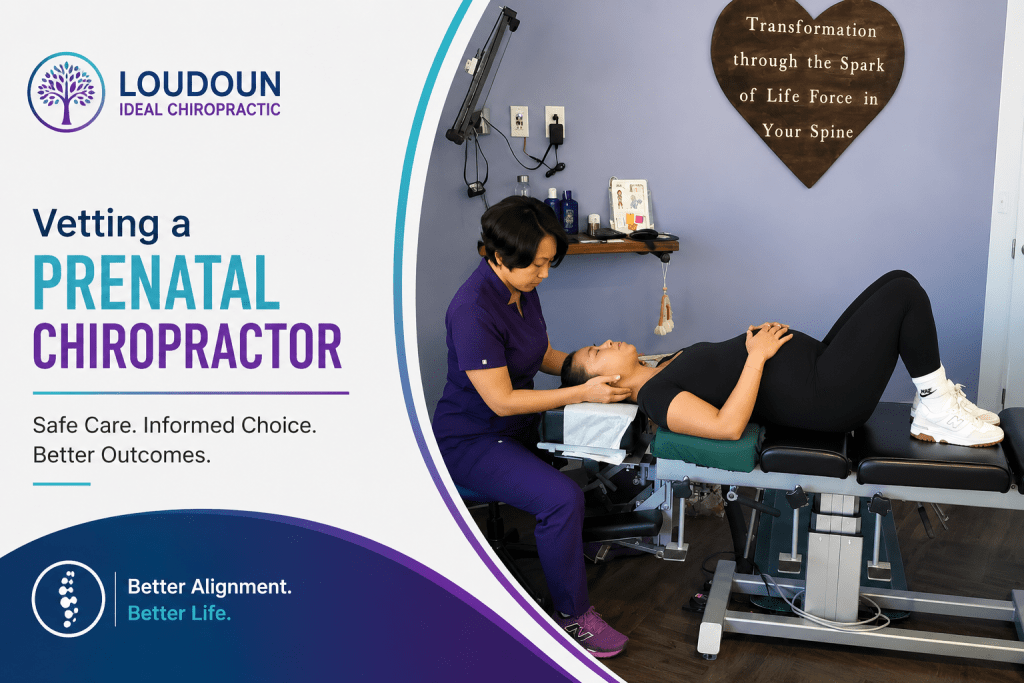
Vetting a Prenatal Chiropractor for Safe Body Care
Have you been worried about lower back pain during pregnancy? Learning about vetting a prenatal chiropractor helps you pick safe care options. Many expecting mothers experience deep hip stiffness during early months. Uneven pelvic bones cause uncomfortable pressure inside your belly area. Gentle body adjustments keep your hips moving without pain. This guide explains how to check with doctors before your visit. You will learn how balanced joints support your daily health.
Proper posture checks prevent sharp aches from becoming severe. Screening providers carefully gives you peace of mind each week. Safe practitioners focus on low-force adjustments for mothers. Your body responds best to soft, targeted hand pressure. Understanding these basic principles keeps your whole journey comfortable.
Key Safety Checks in Provider Reports
Smart screening protects expecting mothers from harsh joint pressure. Early verification finds qualified doctors before your first appointment.
- Vetting a prenatal chiropractor: Proper checks ensure your doctor uses gentle methods safely.
- 1st trimester prenatal chiropractic care: Getting a chiropractic adjustment at an early stage can help relieve the stiffness that comes with morning and reduce pressure on the lower spine.
- 2nd trimester prenatal chiropractic care: Getting a regular visit during the middle stage of the pregnancy can help in keeping your hips properly aligned by spreading the weight of the growing belly evenly.
- prenatal chiropractor near me: Chiropractor clinics in your area provide specially designed tables for pregnant mothers to enable them to get comfortable while the belly is growing.
- chiropractic pregnancy webster technique: Gentle sacral checks relieve tight belly ligaments without force.
Reviewing patient testimonials reveals much about doctor communication skills. Experienced providers take time to explain each movement clearly. They never rush you through complex spinal assessment steps. Clinical records show how soft techniques protect delicate ligaments.
Check if your provider offers personalized wellness consultations first. Initial meetings help you gauge clinic cleanliness and staff kindness. A peaceful office environment reduces maternal stress significantly during visits. Safe care always begins with complete health evaluation forms.
Important Steps for Mother Comfort
Verifying doctor credentials keeps your pregnancy care safe. These screening steps protect your hips and lower back.
Verification of Special Training
Certifications prove your provider studies gentle pelvic methods. Trained doctors understand how hormones soften pelvic joints. Specialized coursework prepares doctors for unique pregnancy posture changes. Certified experts adjust their force according to your trimester.
Office Table Equipment
Pregnancy clinics use special tables with belly drop sections. Soft cushioned cushions allow mothers to rest comfortably. Adjustable segments prevent dangerous pressure on your expanding abdomen. Proper equipment ensures your spine stays aligned during treatment.
Doctor Communication Habits
Trained providers send regular care notes to your midwife. Active communication keeps your entire medical team aligned. Collaborative care reduces risks of conflicting health advice. Open dialogue helps track your physical progress accurately over time.
Understanding Ligament Changes
Relaxin hormones cause pelvic ligaments to stretch naturally. Loose ligaments require very gentle alignment approaches from practitioners. Excessive force can cause unnecessary joint instability or soreness. Certified doctors apply precise, minimal pressure to restore balance.
Evaluating Clinic Cleanliness
Clean treatment rooms prevent unwanted infections during vulnerable months. Sanitized equipment protects both expecting mothers and newborn visitors. Observe how staff members disinfect tables between patient appointments. High hygienic standards reflect overall practice quality and care.
Questions to Ask Your Provider
Direct questions help you find the best care team. Clear answers ensure safe treatment at every visit.
- Pros and cons of chiropractic care during pregnancy: Pros include less pain, while cons involve extra visit costs.
- Webster technique chiropractor: Certified experts focus on balancing pelvic bones for comfort.
- prenatal chiropractic care: Gentle visits reduce lower back stress during late pregnancy weeks.
- webster certified chiropractor near me: Finding nearby certified care keeps travel easy each week.
Inquire about emergency contact procedures for unexpected joint pain. Ask how many pregnant patients they see every week. Request details regarding their specific professional liability insurance coverage. Confirm if they offer flexible appointment times for busy mothers.
Understanding payment plans helps you manage family healthcare expenses. Some insurance policies cover specialized prenatal body adjustments fully. Ask if they provide receipt statements for insurance reimbursement. Transparent financial policies reflect honest and trustworthy practice ethics.
Understanding Clinical Guidelines for Office Safety
Selecting a prenatal chiropractor involves vetting the practitioner’s certification and visiting the clinic to see their habits. Certified providers offer gentle techniques as a way to alleviate pelvic pressure, lowering the baby’s head and thus decreasing the pressure from it.
Vetting a prenatal chiropractor, besides checking their certification, requires you to find out whether or not they are members of the International Chiropractic Pediatric Association (ICPA), which has certified the practitioners in the Webster Technique. Furthermore, you have to make sure they use specifically padded maternity tables to protect your baby, and that they regularly collaborate with your OB-GYN or midwife to monitor your well-being.
Essential Credentials to Check
- Webster Certification: Be sure that your instructor is certified by the International Chiropractic Pediatric Association (ICPA)-Webster as a certified practitioner of chiropractic care for women during pregnancy with particular interest in sacral alignment.
- ICPA Membership: It serves as a stamp of approval that a practitioner is continuously engaged with the field of prenatal care and the health of infants.
- Advanced Ranks: You should watch out for CACCP or DACCP titles of the doctor; these denote advanced education in chiropractic treatment in the context of pregnancy.
- State License Standing: Confirm with your local licensing board that your doctor is currently holding up an unchallenged medical license without any violations.
- Continuing Education Credits: Find out if they have been participating regularly in maternity and pediatrics health workshops and courses.
Questions to Ask the Office
- “What percentage of your daily practice is focused on pregnant patients?”
- “Do you use drop-tables with belly cutouts or side-lying pillow setups?”
- “How do you communicate treatment notes back to my primary obstetric provider or midwife?”
- “What is your protocol if a patient experiences sudden discomfort during care?”
- “Do you perform gentle soft tissue releases along with joint adjustments?”
Red Flags to Avoid
- No Screening for Red Flags: Stay away from providers who fail to enquire about high-risk conditions, bleeding, or signs of pre-eclampsia.
- Anti-Medical Sentiment: Do not go to any practitioner who does not allow you to consult a medical doctor or an OB-GYN.
- Use Gentle Force: Prenatal treatments should be based on a soft, low-force method instead of heavy or forceful manipulation.
- Long-Term Contracts: Avoid clinics that ask for a big upfront investment in cash.
- X-Ray Demands: Turn down those doctors who demand your X-rays during the pregnancy period which is a bit active.
Recommendations for Your First Visit
- Verify ICPA Membership: Look up official databases to see if the practitioner has an active certification.
- Table Inspection: Make sure that the office is equipped with specialized pregnancy pillows.
- Inform Doctor About Health History: The doctor would need to know about previous operations or problems with joints.
- Paperwork Bring-Along: Share your obstetrician’s newest comments on your pregnancy.
- Put on Comfortable Attire: Wear comfortable clothes that can easily be removed for examinations without difficulty.
Comparing Care Options for Expecting Mothers
Medical providers often suggest physical exercise or gentle adjustments. Physical therapists build home movement routines for core stability. The process of vetting a prenatal chiropractor shows how gentle care works without exercise. Chiropractic visits focus on balancing joint bones and tight ligaments. Mothers choose soft care because it offers fast joint relief.
Unchecked joint pain makes daily housework very hard. Ignoring joint misalignments causes sharp pain during late pregnancy weeks. Proper care keeps your hips level as your baby grows.
Combining gentle adjustments with light walking yields great results. Swimming also relieves gravity pressure on aching spinal joints. Restful sleep positions support joint health between office visits. Use full body pillows to keep your hips aligned overnight.
A smart process of vetting a prenatal chiropractor helps you pick safe options fast. Gentle visits keep your back feeling light and mobile. Mothers stay active when hip joints move without sharp strain. Early checks make your whole pregnancy path much easier.
How Loudoun Ideal Chiropractic Can Help
Loudoun Ideal Chiropractic can help you with your back health. Dr. Miok Hyoun brings over twenty years of experience in Lansdowne. She holds advanced training in Chiropractic BioPhysics and Gonstead methods. Our team uses measurement care to fix root causes of pain. We perform full spinal checks, posture checks and digital scans.
We help families move better without surgery or pills. Dr. Miok builds custom care plans for your specific goals. Our gentle care restores natural balance and relieves nerve stress. Learn more about our team on our Dr. Miok Hyoun, DC page or visit our Loudoun Ideal Chiropractic home page to view all services. Call 571-707-8639 to schedule your full spine check.
Conclusion
Properly vetting a prenatal chiropractor helps you find safe care during pregnancy. Certified doctors balance hip bones and ease tight belly pressure. Keeping your pelvis aligned lowers body pain each week. Talk with your birth team to pick safe care options. Call our office to set up your health check.
Prioritizing your physical health creates a better pregnancy experience. Gentle adjustments reduce daily tension across your entire frame. Safe providers help you stay mobile and active daily. Take proactive steps today to protect your pelvic health.
FAQs
Is it safe to get a chiropractic adjustment while pregnant?
Yes, care is safe when provided by trained doctors. They use gentle methods and special tables to protect your belly.
What are the qualifications of a prenatal chiropractor?
They hold a chiropractic degree and extra prenatal training. Look for Webster certification through the ICPA organization.
When should you start seeing a prenatal chiropractor?
You can start visits during your first trimester of pregnancy. Early care helps keep your hips level as your body changes.
Can a prenatal chiropractor help?
Yes, gentle adjustments relieve lower back pain and hip stiffness. Balanced pelvic bones make daily movement much easier for mothers.
Is prenatal massage or chiropractor better?
Massage relaxes surface muscles while chiropractic care aligns joint bones. Many mothers use both care options for maximum pain relief.
How long does a typical prenatal adjustment session take?
Initial visits take forty minutes while follow-ups take fifteen minutes. Routine sessions are short, focused and very gentle.
Will insurance cover my prenatal chiropractic visits?
Many major health insurance plans cover specialized chiropractic care. Always verify your specific policy coverage before starting treatment.