
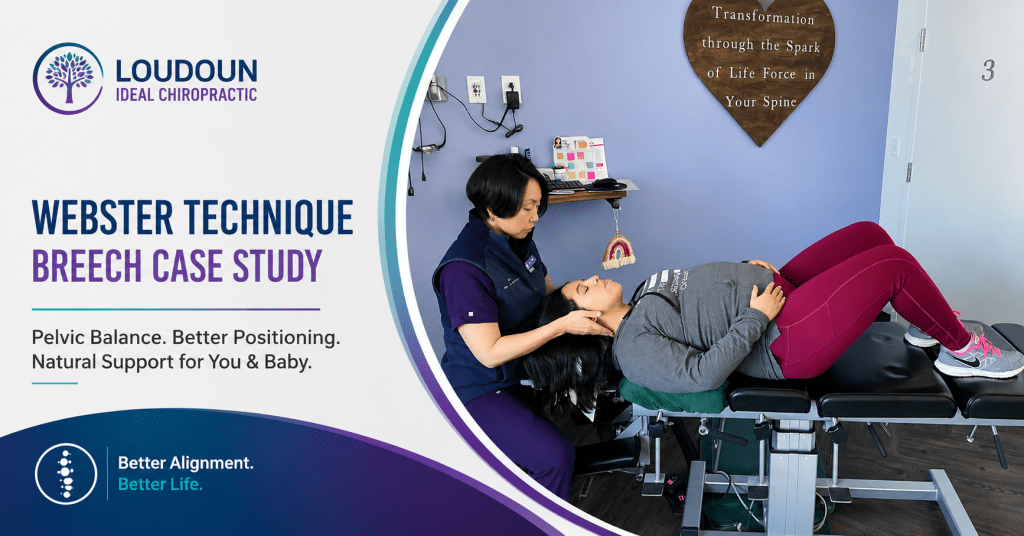
Webster Technique Breech Case Study Evidence and Care
Have you been stressed about your baby’s late breech position? Reading a Webster Technique breech case study helps you understand pelvic care options. Many mothers feel scared when babies stay head up late in pregnancy. Uneven pelvic bones create tight space inside your belly area.
But gentle prenatal adjustments help balance your hips and soft tissues safely. This clear guide explains how sacral care helps pregnant mothers each week. You will learn how balanced hips help your body prepare for birth.
Sacral Care Facts in Clinical Reports
Prenatal clinical reports show how gentle hip care helps pregnant mothers. Early care balances hips before birth time arrives.
- Webster technique breech case study: Clinical reports track how sacral care helps ease pelvic tightness. Daily care helps mothers stay comfortable during late pregnancy.
- Webster method breech success rate: Many clinical reports show positive hip balance after soft care. Keeping hips level gives babies room to move.
- Prenatal chiropractic care for breech: Gentle care focuses on balancing maternal bones and tight muscles. Mothers find relief from deep hip pressure during pregnancy.
- Sacral subluxation pregnancy care: Fixing misaligned tailbones takes sharp pressure off maternal ligaments. Level hips reduce strain on lower back muscles.
- Round ligament relief pregnancy: Soft pressure on tight belly ligaments helps relax pelvic muscles. Relaxed muscles give your growing belly more comfort.
Important Factors in Pregnancy Care
Sacral care focuses on mother alignment during late pregnancy months. Understanding these facts helps you choose safe care.
Pelvic Alignment Effects
Misaligned hip bones create tight spaces inside your lower belly. Gentle sacral adjustments bring balance back to pelvic structures. Level bones help your whole body feel better each day.
Soft Tissue Balance
Tight ligaments pull on your womb and cause physical discomfort. Gentle pressure on round ligaments releases tight muscle strain. Soft tissues relax when bones sit in proper alignment.
Intrauterine Space Factors
Balanced hips create open space inside the maternal belly area. Babies move freely when muscles stay soft and relaxed. Natural positioning happens easier when space remains open.
Key Medical Terms for Mothers
Understanding care terms helps you talk with your birth team. Clear facts make planning your delivery simple.
- Webster technique breech case study: Reading real reports shows how pelvic alignment affects body space. Mothers learn how soft care supports natural birth goals.
- External cephalic version vs Webster: Doctors use manual force for versions while chiropractors adjust bones. Both options aim to help mothers avoid birth surgery.
- Chiropractic sacral adjustment pregnancy: Gentle bone checks keep hip joints moving without pain. Soft touch methods keep pregnant mothers safe during care.
- icpa certified prenatal chiropractor: Certified doctors complete special training for pregnant women. Expert care protects both mother and baby each visit.
- Breech baby natural positioning options: Using soft positioning exercises helps keep your pelvis balanced. Daily movements work along with gentle chiropractic care.
Clinical Overview of Webster Care Reports
The Webster method uses specific sacral adjustments and soft tissue releases to ease pelvic tightness. A Webster technique breech case study review shows different results across various clinical cases. Some mothers report their baby turned head down after care. Other cases show no change in final baby position.
A Webster technique breech case study often notes how sacral subluxation affects space. Certified doctors review every Webster technique breech case study to improve prenatal care. Each new Webster technique breech case study adds to our clinical understanding of care.
Overview of Webster Technique Case Studies
- Positive Resolutions: Reports show women at 30 to 35 weeks saw baby turns after 4 to 7 visits. Follow-up scans confirmed head-down positions for vaginal birth.
- Unresponsive Cases: Some clinical reports show no change after 7 visits over 3 weeks. These mothers used medical versions or planned hospital surgeries.
- Proposed Mechanism: Care lowers pelvic tightness rather than forcing the baby to turn.
Clinical Comparison: Management Options for Breech Presentation
| Option | Primary Mechanism | Potential Benefits | Risks / Limitations |
| Webster Technique | Sacral adjustment and round ligament release | Gentle care with low risk to mother | Does not physically turn baby; relies mostly on case study reports |
| External Cephalic Version (ECV) | Doctor manually pushes baby from outside belly | Done in hospital with roughly 50 percent success rate | Causes belly soreness; carries rare risks of distress |
| Planned Cesarean Delivery | Surgical delivery of baby in hospital room | Avoids labor issues tied to breech births | Major surgical recovery time; affects future birth plans |
Recommendations and Next Steps
- Consult Your Provider: Talk with your midwife or doctor before starting care options.
- Seek Certified Practitioners: Choose doctors certified by the International Chiropractic Pediatric Association.
- Explore Safe Positioning: Try gentle balancing movements from sources like Spinning Babies.
Comparing Care Methods for Birth
Medical doctors use physical force on the outside of the belly during versions. Hospitals perform these procedures while watching fetal heart monitors closely. A Webster technique breech case study shows how gentle care works without forcing baby movement. Chiropractic adjustments focus entirely on balancing maternal bones and ligaments. Mothers choose gentle care because it carries very low physical stress.
Surgical births remain a common path for late breech presentations. Hospitals schedule surgeries to avoid difficult birth complications late in labor. But surgical recovery takes weeks of complete rest for new mothers. Balancing your hips early gives your body a natural chance for birth. You can read details about pelvic structure on Human Pelvis.
Learning from a Webster technique breech case study helps you plan your birth journey wisely. Gentle care keeps your lower back feeling strong and mobile. Mothers stay active when hip bones move without sharp joint pain. Reading each Webster technique breech case study confirms that early care creates the best conditions for comfort during labor.
How Loudoun Ideal Chiropractic Can Help
Loudoun Ideal Chiropractic can help you with your back health. Dr. Miok Hyoun brings over twenty years of experience in Lansdowne. She holds advanced training in Chiropractic BioPhysics and Gonstead methods. Our team uses measurement care to fix root causes of pain. We perform full spinal checks, posture checks and digital scans.
We help families move better without surgery or pills. Dr. Miok builds custom care plans for your goals. Our gentle care restores natural balance and relieves nerve stress. Learn more about our team on our Dr. Miok Hyoun, DC page or visit our Loudoun Ideal Chiropractic home page to view all services. Call 571-707-8639 to schedule your full spine check.
Conclusion
Reviewing a Webster technique breech case study helps mothers understand pelvic options. Gentle adjustments balance hip bones and ease tight belly ligaments safely. Keeping your pelvis aligned lowers body pain during late pregnancy weeks. Talk with your birth team to pick safe care options today. Call our Lansdowne office to set up your prenatal check.
FAQs
Does the Webster Technique work for breech babies?
The technique balances maternal pelvic bones and relaxes tight ligaments. This care creates open space, which may help babies move head down naturally.
What is the success rate of the Webster method?
Case reports show positive outcomes for many mothers seeking pelvic balance. Success depends on individual pelvic shape, gestational age and muscle tension levels.
Which gender is mostly breech?
Research shows boys and girls present in breech positions at similar rates. Fetal position depends more on uterine shape and pelvic space than baby gender.
Does the Webster Technique actually work?
Clinical studies show it helps balance maternal hips and relieve lower back stress. A balanced pelvis helps mothers stay comfortable and mobile during pregnancy.
What are the risks of the Webster Technique?
This gentle care carries very low risk for expecting mothers. Certified doctors use light touch methods without applying direct force to the baby.